
Spotlight On: Home Nightclub
Nightlife is constantly evolving. Especially in recent years, the industry has been increasingly defined by changes in audiences, behaviours, trends, and expectations of what a 'night out' should be.
Event organisers, venues and promoters are finding ways to adapt: whether that's doubling down on what works, or exploring new ways to bring people together.
Home is a great example of a brand doing exactly that.
With 15 years in the game – from a long-running flagship in Lincoln to their newer venue in Leeds – they’ve continued to adapt their offering while staying true to what makes their events work.
We spoke with Michael Redpath, Marketing Manager at Home, about audience trends, the impact of daytime events on their business, and how data-driven marketing is helping them grow, evolve and keep people coming back.
At a glance
1. Audience expansion through daytime events
Working with promoters to introduce concepts like the 'Over 30s Dayclub' & 'Country Day Party' has proven highly effective, regularly attracting hundreds of attendees and tapping into a new crowd that expands their audience without damaging the late-night events.
2. Shifting weekend demographics
Saturday nights are skewing younger than before, with a noticeable increase in student attendance. Around 70% of ticket buyers are now under 24, signalling a clear demographic shift.
3. Experience over frequency
While ticket sales are still high, some audiences are choosing to go out less often. Instead, they’re prioritising higher-quality, more memorable nights.
4. Strategic marketing and data
Marketing efforts are increasingly driven by data, with a strong focus on converting existing customers into repeat buyers. The Home team use insights to run targeted campaigns, drive earlier ticket purchases and reward loyalty.
5. Earlier booking behaviour
Ticket-buying culture seems to be gradually shifting. Around half of Saturday night tickets are now purchased earlier in the week (typically Monday or Tuesday), a move away from the last-minute buying habits seen across the last few years.
Read the full interview
Can you introduce yourself, and tell me a bit more about Home?
Of course. I’m Michael, and my role spans sales, marketing and events across a group of bars and clubs in Lincoln and Leeds – most notably Home Nightclub.
Home launched in Lincoln around 15 years ago as a multi-room venue accommodating up to 1,800 guests across six distinct spaces, including four club rooms, an Irish bar, a VIP lounge, and an outdoor terrace.
We expanded to a second location in Leeds two years ago. Both venues are built around the same core values and event concepts, but differ in scale. Home Leeds is a more compact, two-room venue. While smaller, it benefits from being newer, which has allowed us to place a stronger emphasis on production throughout.
Has the Lincoln venue evolved in terms of what each of those rooms looks like, and the audience they serve?
Yeah, 100%. Home Lincoln’s been going for 15 years now, so it’s naturally evolved quite a bit over that time.
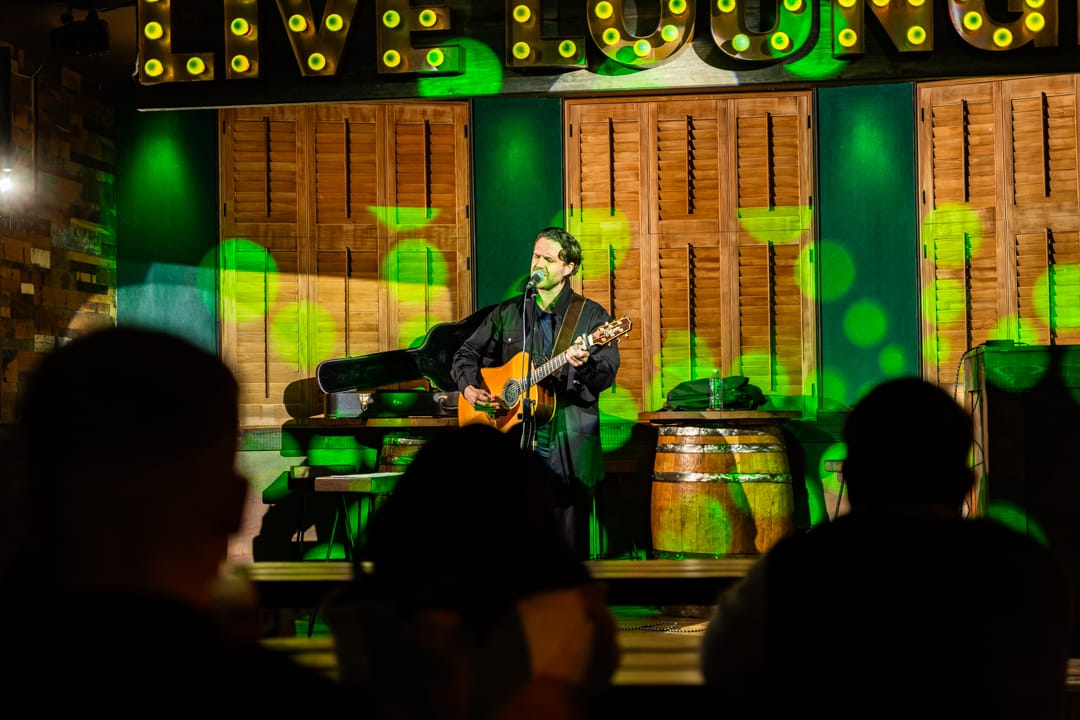
The core concept has always stayed the same, but we’ve adapted the product to suit changing audiences and trends. For example, last year we turned the ground floor into an Irish bar to tap into the growing daytime market. It now opens on Saturday afternoons with live music, before transitioning into the nightclub later in the evening.
At the same time, the audience mix has shifted. Historically, like most clubs, midweek was very student-led and weekends tended to be a slightly older crowd. That’s changed quite a bit. Midweek is still strong with students, but weekends are now noticeably younger, with a higher proportion of students than we used to see.
That said, we’ve also been intentional about maintaining and growing an older demographic who still want to go out, just at a different time of day. Working with events like the Over 30s Dayclub and Daytime Disco has been really effective in achieving that, bringing in a different crowd and helping broaden what we offer overall.
How long have you been running those day events?
We work with external promoters on these, and we ran our first over-30s party about two years ago. Since then, there’s definitely been a wider rise in over-30s events across the UK. We now run ours roughly every six weeks and keep it strictly 30+ to maintain the audience experience.
From there, we started to see demand from people in their late 20s who wanted something similar, just without the age restriction. That’s what led us to expand into more daytime events.
We’ve since partnered with a national promoter to run a series of themed parties –things like Country, Ska, and 90s, as well as bingo events. We now run those about once a month, and the demand’s been really strong.
Importantly, they haven’t taken anything away from our late-night sessions. It’s a completely different audience. We’re still seeing strong numbers on Saturday nights, but we’re now also catering to a daytime crowd who want that full club experience at a time that suits them.
You mentioned seeing younger crowds on Saturday nights. Are they students, or slightly older than that?
It’s a mix. Around 25-30% of our Saturday night crowd are students, which is definitely higher than it used to be, and overall about 70% of attendees are now under 24.
When I was at uni, student nights were midweek because they were cheaper; you could go out three or four times a week pretty easily. That’s definitely changed. The appetite to go out is still there, but people are just going less often.
Students in particular are picking their moments more, but when they do go out, they’re spending more and expecting more from the experience. So naturally, the weekend has become more of a focus.
There are a few reasons for that – more focus on studies, more people commuting from home – but a lot of it just comes down to priorities and budgets. When they do go out, they want it to feel like a proper occasion.
We still have a strong base of regulars who go out frequently, and I don’t want to suggest it’s easy – there are definitely challenges across the sector. But in markets like Lincoln, there’s still a clear demand for nightlife, and even in a more competitive city like Leeds, we’re regularly selling out three nights a week.
So the demand is there, it’s just about delivering the right product. We’ve had to adapt, but the appetite remains strong, and the numbers continue to reflect that.
What is it you want people to feel about your brand or your events?
For us, it’s always been about the experience.
Value for money obviously matters, but more than anything, people want a night that feels worth it. Especially now, when everyone’s a bit more selective about how they spend their money. If they’re choosing to go out, it needs to feel worthwhile.
You hear it a lot, especially during Freshers, Halloween, or New Year’s, with people leaving the club saying, “That’s the best night I’ve ever had.” That’s exactly what we’re aiming for.
We invest heavily in the full experience, whether that’s guest DJs, giveaways, live performers or overall production. We’re constantly looking at how we can raise the standard.
At its core, it’s simple: we want people to walk away feeling like they’ve had a genuinely great night out every time they visit us.
Does the idea of community play a role in your marketing?
Yeah, definitely, community’s a big part of our marketing.
We try to put our guests right at the centre of everything. A lot of our social content comes straight from the nights themselves, with photos and user-generated content from each week.
We also run things like “Photo of the Week,” where people get free entry if they’re featured. It keeps the content authentic and reinforces the sense of community within the nights themselves.
All of that feeds into a wider goal: creating something people feel part of. When they do, they’re much more likely to come back, and that naturally leads to more consistent ticket sales. It’s always easier to sell to people who already know and buy into what you’re doing than to constantly chase new customers.
We back that up with data as well, rewarding loyalty through things like VIP upgrades, early access to tickets, and birthday perks, which help keep people engaged with the brand.
Have you seen improvements in the post-lockdown, late booking trend?
We’ve definitely seen people start to buy tickets earlier in the week, rather than leaving it right until the last minute. That’s been a really positive shift for us because it gives us much better visibility ahead of the weekend.
That said, it’s still broadly 50/50 between advance sales and on-the-door purchases. Nightlife will always have that spontaneous element – people deciding to go out after a few drinks without planning it in advance.
For those who are buying ahead of time, the focus for us is really about nudging that decision earlier and getting people committed sooner.
FIXR’s tools have helped with this, particularly the messaging function, tiered ticketing, and add-ons. Being able to offer options like drinks packages in addition to a ticket gives guests better value if they purchase in advance.
It’s those small incentives that not only improve perceived value but also encourage booking in advance.
Is there anything else that has worked particularly well in terms of marketing?
FIXR has been a valuable tool and really helped us become more data-led in how we communicate with our audience. We’re able to take ticketing data from specific events, feed it into our CRM, and run highly targeted campaigns based on actual attendance and behaviour.
For example, we’ll often follow up with guests after they’ve visited, with an offer for the following few weeks, helping to drive repeat visits while the experience is still fresh.
We also use push notifications through the platform, which has been particularly effective. It allows us to reach people quickly and directly, with significantly higher engagement rates than email alone.
Is there anything you're particularly excited about?
For Home Lincoln specifically, it’s our 15th birthday this year, which is a pretty huge milestone and one we’re looking forward to celebrating.
From an industry perspective, what’s particularly exciting is the shift we’re starting to see in audiences. Post-lockdown, there was a generation who had almost lost touch with going out regularly. But now we’re seeing a new wave of 18-year-olds coming through who genuinely want that nightlife experience again.
At the same time, the continued growth of day parties means there’s now activity across multiple parts of the week, which makes the overall landscape a lot more exciting.
Do you have any advice for event organisers or venues looking to build something long-term?
A few things have been really important for us, and I think they translate well to anyone trying to build something long-term in this space.
First is consistency. It sounds simple, but people only really build trust with you over time if they know what they’re going to get. You can have great one-off events, but without consistency in quality, branding, and delivery, it’s hard to build something that lasts.
Second is actually understanding your audience – not just who they are, but how their behaviour is changing. We’ve had to adapt constantly based on how people are booking, how often they’re going out, and what they expect from different types of events. The venues that do well long-term are the ones that move with their audience.
Third is focusing on experience over short-term sales. If people leave having had a genuinely great night, everything else tends to follow – repeat visits, word of mouth, loyalty, all of that builds naturally from it.
And finally, community really matters. Whether that’s through social content, how you communicate, or just how people are treated in-venue, creating that sense of belonging is a big part of it.
Long-term success really comes from getting those fundamentals right and sticking to them.
For more information and to see upcoming events, head to the website for Home Lincoln or Home Leeds
Author
